
Blog
Lebanese, Aleppo or Jordanian za’atar: what’s the difference?
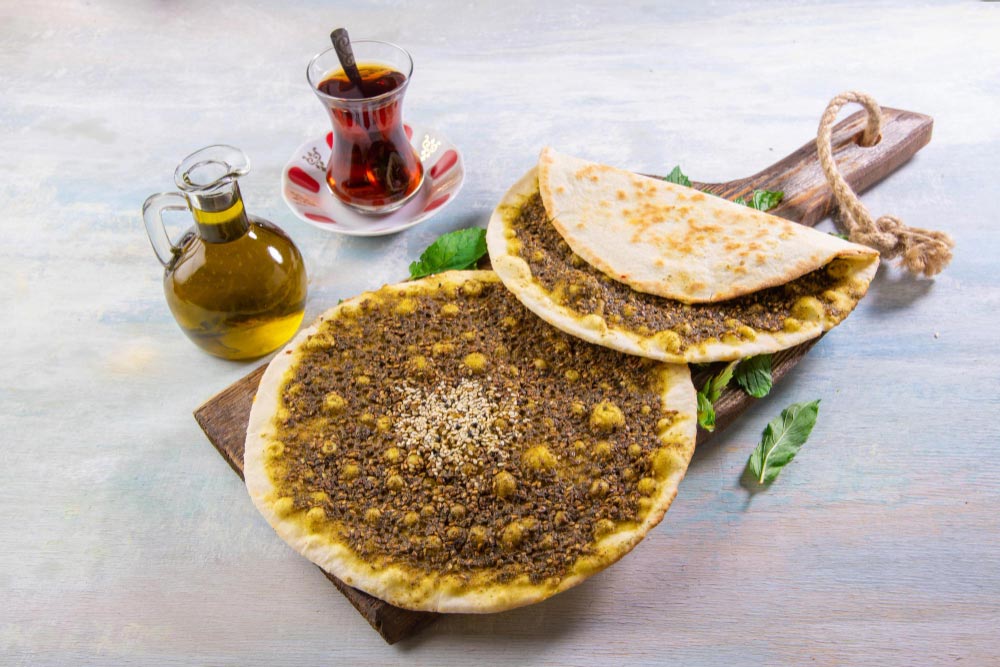
Za’atar (زعتر) means two things in Arabic: a wild herb, and the mix made from it. The mix is dried, ground za’atar leaves combined with sumac, toasted sesame seeds and salt. Every region adjusts that base, which is why a Lebanese man’oushe tastes different from one in Aleppo or Amman.
The herb behind the mix
The za’atar herb is a wild, thyme-like plant (most often Origanum syriacum) that grows on hillsides across the Levant. Its flavour sits between thyme and oregano: earthy, a little minty, with a pleasant bitterness. In Lebanon it is also eaten fresh in salads.
Lebanese za’atar
The Lebanese style is usually green to olive-green, herb-forward and bright with sumac. It’s generous with sesame and kept simple, so the herb leads. This is the za’atar most Lebanese families expect on man’oushe with olive oil.
Aleppo-style za’atar
Aleppo (Halabi) mixes are usually darker and more complex. They often add other ground spices and roasted seeds, which give a deeper, toastier taste.
Jordanian-style za’atar
Jordanian and Palestinian mixes are often redder and tangier because they use more sumac, and they can be coarser.
Quick comparison
| Style | Colour | Taste | Best for |
|---|---|---|---|
| Lebanese | Green to olive | Herb-forward, bright, sesame-rich | Man’oushe, labneh, olive oil dip |
| Aleppo | Darker, brown-green | Deeper, toasted, more spiced | Bread with oil, roasted vegetables, eggs |
| Jordanian | Reddish | Tangier, more sumac | Salads, grilled chicken, fries |
General style guide only. Check each Daaboul jar’s label for its exact recipe.
Ways to use za’atar at home
- Man’oushe: mix za’atar with olive oil into a loose paste and spread it on dough before baking.
- Za’atar and oil dip (zeit w za’atar): a plate of olive oil, a plate of za’atar, warm bread. The classic Lebanese breakfast.
- Labneh: sprinkle over labneh with a drizzle of olive oil.
- Salads: add a spoon to tomato and cucumber salad or fattoush.
- Roasting: toss potatoes, cauliflower or chicken with oil and za’atar before roasting. Add it in the last 10 minutes so the sesame doesn’t burn.
- Eggs and cheese: over fried eggs, halloumi or akkawi.
How to keep za’atar fresh
Za’atar contains sesame seeds, which carry natural oils, so heat and light dull it faster than plain dried herbs. Keep the jar closed, cool and away from the stove. A fresh mix smells clearly of herbs as soon as you open it.
Choosing your za’atar
Pick Lebanese for everyday man’oushe and labneh, Aleppo for a deeper taste, and Jordanian if you like tang. Many families keep two and mix them. To buy Daaboul Sons za’atar in Lebanon, message us on WhatsApp at +961 78 827 365.
 Jars
 Nuts
 Packets
 Sachet