
Spices
How to choose spices: read the label, then pick the right pack
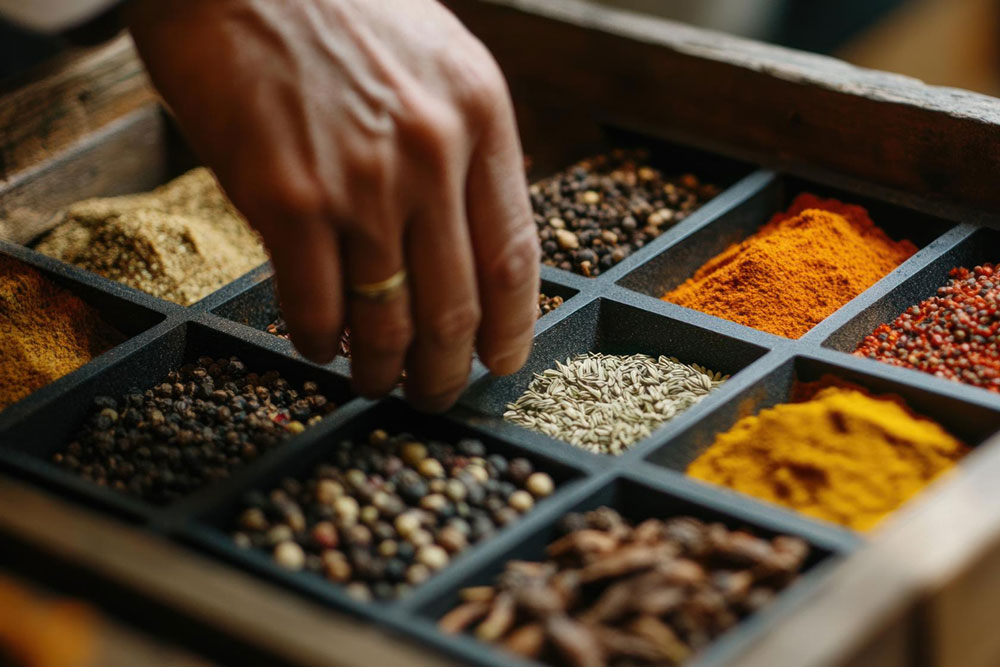
Good cooking starts with spices that still smell like spices. Two choices decide that: what is actually in the pack, and whether the pa...
Whole vs ground spices: which to buy and when to use each
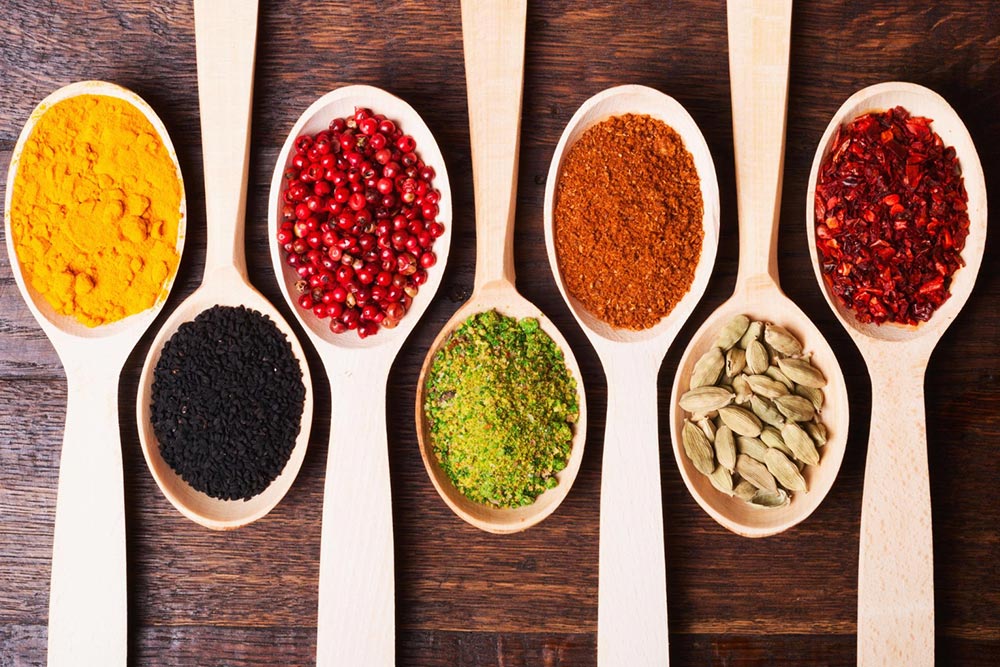
Whole spices keep their aroma longer, and ground spices save time. Most good home kitchens keep both: whole spices for broths, rice and...
Lebanese spices list: 12 essentials every kitchen relies on
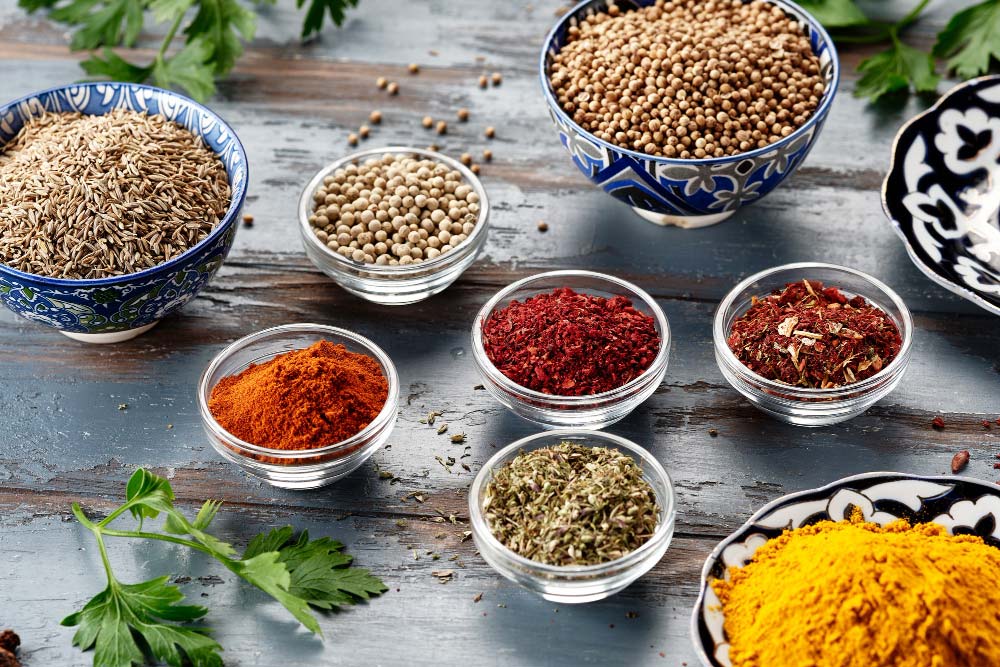
A Lebanese kitchen doesn't need dozens of jars. About a dozen spices cover most of the home cooking you will do, from Sunday kibbeh to ...
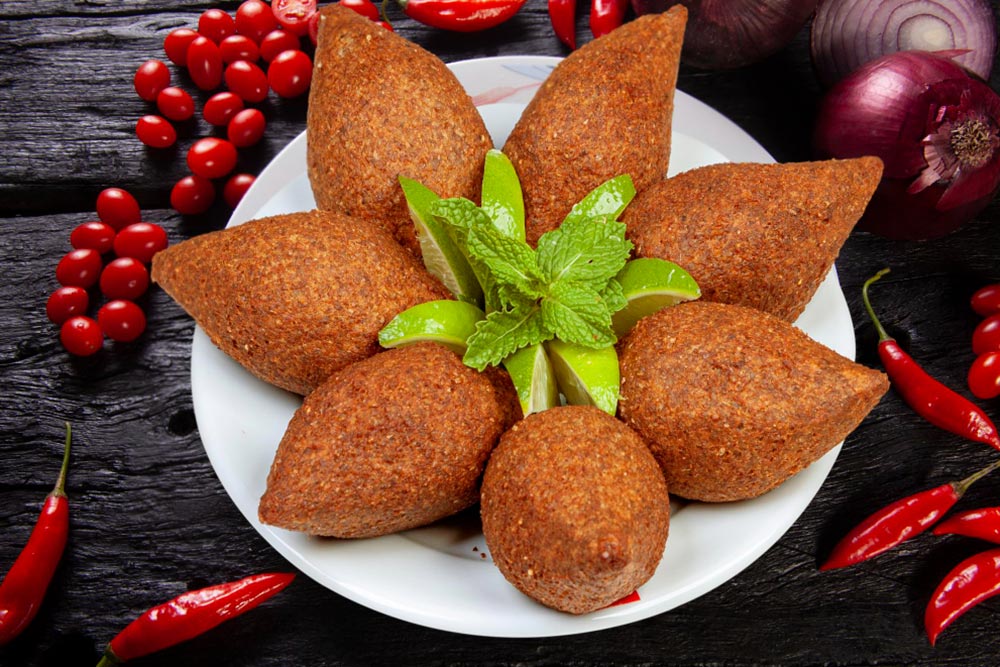
Kibbeh spices: how to season every kind of Lebanese kibbeh
Kibbeh is Lebanon's national dish: fine bulgur and lean meat pounded together with onion, then eaten raw, baked in a tray or shaped and...
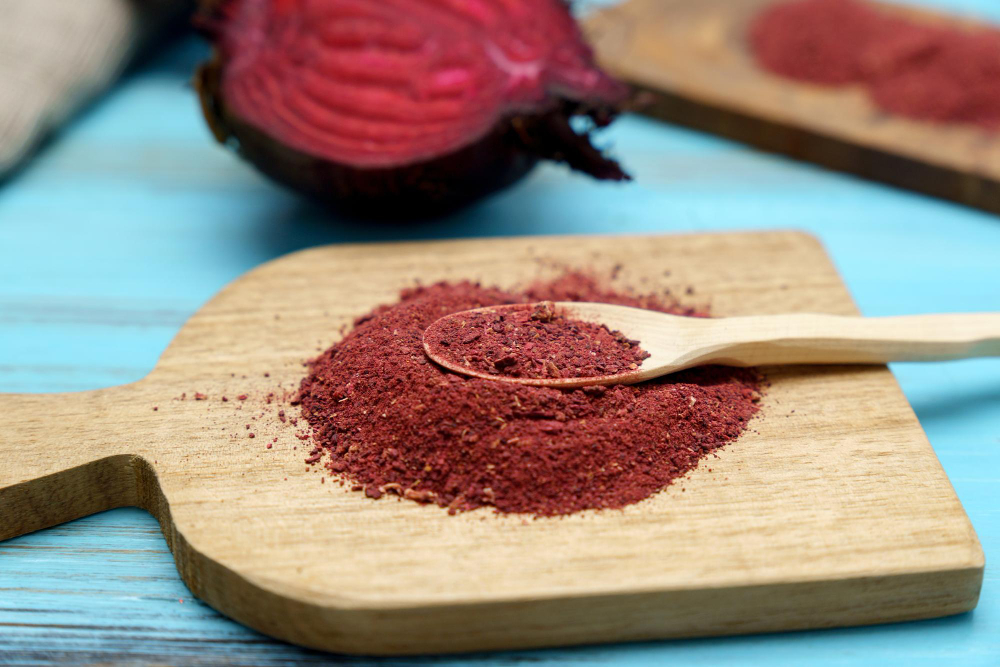
How to use sumac: 8 Lebanese ways with the tangy red spice
Sumac (سماق) is a deep red spice made from the dried berries of the sumac shrub (Rhus coriaria). It tastes sour and fruity, close to le...
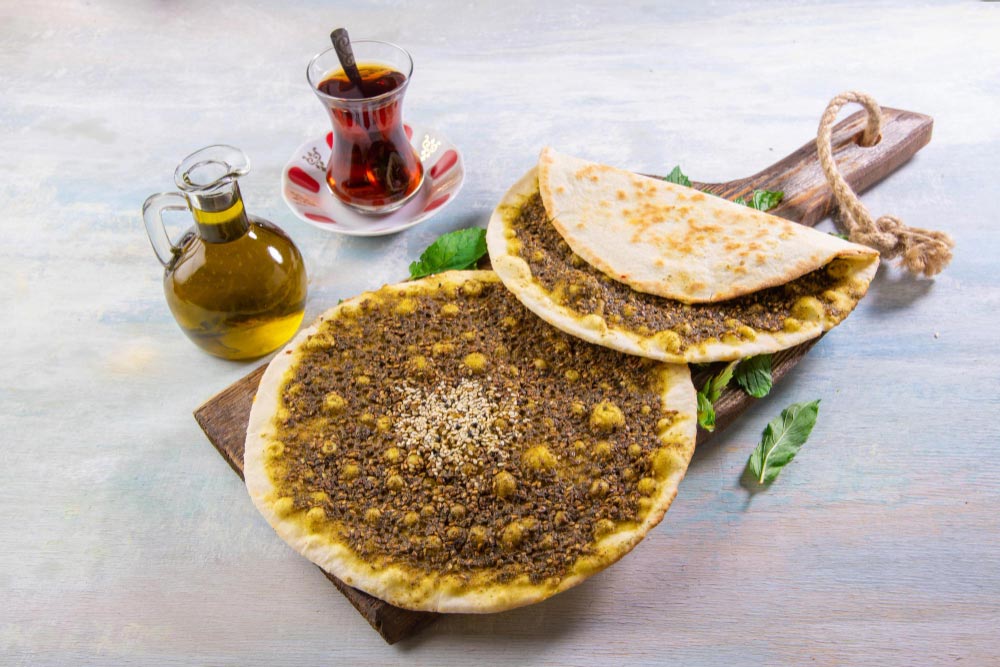
Lebanese, Aleppo or Jordanian za’atar: what’s the difference?
Za'atar (زعتر) means two things in Arabic: a wild herb, and the mix made from it. The mix is dried, ground za'atar leaves combined with...
 Jars
 Nuts
 Packets
 Sachet